Why St Augustine Landscaping is Perfect for Florida Homes
Florida homeowners understand the importance of creating outdoor spaces that are not only beautiful but also practical, durable, and in harmony with the local environment. Among the many landscaping options available, St Augustine landscaping stands out as an ideal choice for Florida homes. Its unique characteristics, adaptability to the local climate, and aesthetic appeal make it a favorite among property owners who want lush, green, and resilient lawns.

Understanding St Augustine Landscaping
St Augustine landscaping refers to the use of St. Augustine grass in designing and maintaining lawns, gardens, and outdoor spaces. Native to the Gulf of Mexico region, St. Augustine grass is known for its vibrant green color, broad leaves, and ability to thrive in warm and humid climates. Unlike other grass types, it grows thick and forms a dense carpet-like surface that enhances the visual appeal of any yard.
The grass’s resilience to heat, high humidity, and salty coastal conditions makes it particularly suitable for Florida’s weather. Homeowners in St. Augustine and other parts of Florida often prefer it because it provides a year-round lush green landscape with minimal maintenance compared to other grass varieties.
Benefits of Choosing St Augustine Landscaping
Investing in St Augustine landscaping offers numerous advantages. Here are some reasons why it’s perfect for Florida homes:
1. Exceptional Heat Tolerance
Florida is known for its intense sun and high temperatures, which can cause many types of grass to wither or develop brown patches. St. Augustine grass thrives in heat and maintains its green hue even under prolonged sun exposure. This makes landscaping in St Augustine a low-risk investment for homeowners who want a consistently vibrant lawn throughout the summer months.
2. Adaptability to Different Soils
Florida’s soil types vary widely, ranging from sandy coastal soils to heavier clay soils inland. One of the key features of St. Augustine grass is its adaptability. It can grow successfully in a variety of soil conditions, making it suitable for almost every Florida home. Proper fertilization and occasional aeration further enhance its growth and durability, ensuring your lawn remains healthy and lush.
3. Resistance to Pests and Diseases
Another major advantage of St Augustine landscaping is its natural resistance to common pests and diseases that affect other grass varieties. While it may occasionally need treatment for pests like chinch bugs or fungal diseases, its robust nature means fewer chemical interventions and less worry about lawn damage. This resilience supports sustainable gardening practices, which are increasingly important to Florida homeowners.
4. Low Maintenance Requirements
While all lawns require some level of care, St. Augustine grass is known for being low maintenance. It grows densely and requires less frequent mowing than other varieties. Its thick blades naturally shade the soil, reducing weed growth and the need for excessive herbicide use. Homeowners can enjoy a beautiful lawn without spending hours every week on upkeep, which is a significant benefit in busy Florida lifestyles.
5. Aesthetic Appeal
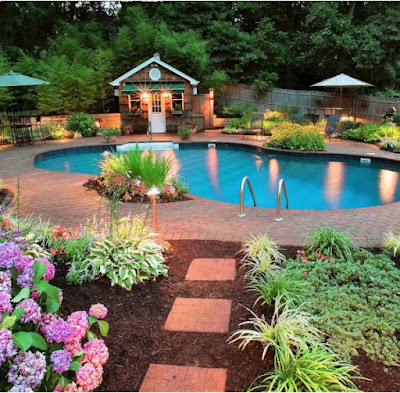
The lush, thick, and vibrant green of St. Augustine grass adds significant curb appeal to any property. Its broad blades create a soft, inviting surface perfect for walking barefoot or hosting outdoor activities. A well-maintained St. Augustine lawn serves as a backdrop for flower beds, patios, pools, and other landscape features, enhancing the overall aesthetics of your home.
6. Erosion Control
In Florida, especially in coastal areas, soil erosion can be a problem due to heavy rains and occasional storms. St. Augustine grass has strong roots that help anchor the soil and prevent erosion. Integrating this grass into landscaping St Augustine projects not only beautifies your home but also protects your property from soil loss and water runoff.
Tips for Successful Landscaping in St Augustine
While St. Augustine grass is resilient, proper care and design strategies can maximize its benefits. Here are some tips to ensure your landscaping project thrives:
1. Proper Installation
Choosing healthy sod or plugs is crucial. Ensure that your installation site is prepared with well-drained soil, and consider incorporating organic compost to enhance soil fertility. Proper installation ensures that the grass establishes quickly and grows uniformly.
2. Regular Watering
Although St. Augustine grass is drought-tolerant to some degree, consistent watering helps maintain its lush green appearance. Early morning watering is recommended to reduce evaporation and prevent fungal growth. Typically, 1 to 1.5 inches of water per week is ideal, but this may vary depending on rainfall and temperature.
3. Fertilization and Soil Care
St. Augustine grass benefits from periodic fertilization. Use slow-release fertilizers that provide a balanced mix of nitrogen, phosphorus, and potassium. Soil testing can help determine the best fertilizer type for your lawn, ensuring that the grass receives adequate nutrients without over-fertilizing.
4. Pest and Disease Monitoring
Even though St. Augustine grass is resistant to most pests, occasional infestations can occur. Monitor your lawn regularly for signs of chinch bugs, grubs, or fungal infections. Prompt intervention with eco-friendly solutions will protect your investment and maintain the health of your landscape.
5. Mowing Practices
Maintain the ideal mowing height of 2.5 to 4 inches to encourage strong roots and a thick lawn. Avoid cutting more than one-third of the grass blade at a time, as excessive mowing can stress the lawn and reduce its natural resilience.
Enhancing St Augustine Landscaping with Design Elements
A lawn is just one part of a well-planned landscape. To make your Florida home stand out, consider integrating the following elements alongside your St. Augustine grass:
-
Flower Beds and Shrubs: Complement the green lawn with vibrant flowers and low-maintenance shrubs suitable for Florida’s climate. Choose native plants to reduce water usage and support local biodiversity.
-
Hardscaping: Add patios, walkways, or stone pathways to create functional and visually appealing outdoor spaces. St. Augustine grass pairs beautifully with natural stone and pavers.
-
Irrigation Systems: Invest in an efficient irrigation system to keep your lawn hydrated without wasting water. Drip or sprinkler systems can be automated for convenience.
-
Lighting: Landscape lighting enhances the beauty of your lawn at night, highlighting features like garden beds, trees, or pathways.
Why Florida Homeowners Prefer Landscaping St Augustine
Florida homeowners prioritize sustainability, aesthetics, and functionality in their landscaping projects. Landscaping St Augustine meets all these needs by providing a low-maintenance, durable, and visually appealing lawn. Its resilience to heat, adaptability to different soils, and natural resistance to pests make it a smart choice for long-term investment in your home’s outdoor space.
Moreover, the dense and soft texture of St. Augustine grass creates a welcoming environment for outdoor activities, family gatherings, and relaxation. Whether you live near the coast or inland, this type of landscaping ensures your home remains attractive and enjoyable year-round.
Conclusion
Investing in St Augustine landscaping is more than just planting grass—it’s about creating a sustainable, beautiful, and practical outdoor space that enhances your Florida home’s value and curb appeal. From its heat tolerance and pest resistance to its low maintenance requirements and lush aesthetics, St. Augustine grass provides unmatched benefits for homeowners. Pair it with thoughtful design elements, proper care, and a well-planned layout, and you’ll enjoy a vibrant, healthy lawn that makes your property stand out in any neighborhood.
By choosing landscaping St Augustine, Florida homeowners can embrace a landscaping solution that is both visually stunning and environmentally resilient, ensuring their outdoor spaces remain beautiful for years to come.


Comments
Post a Comment